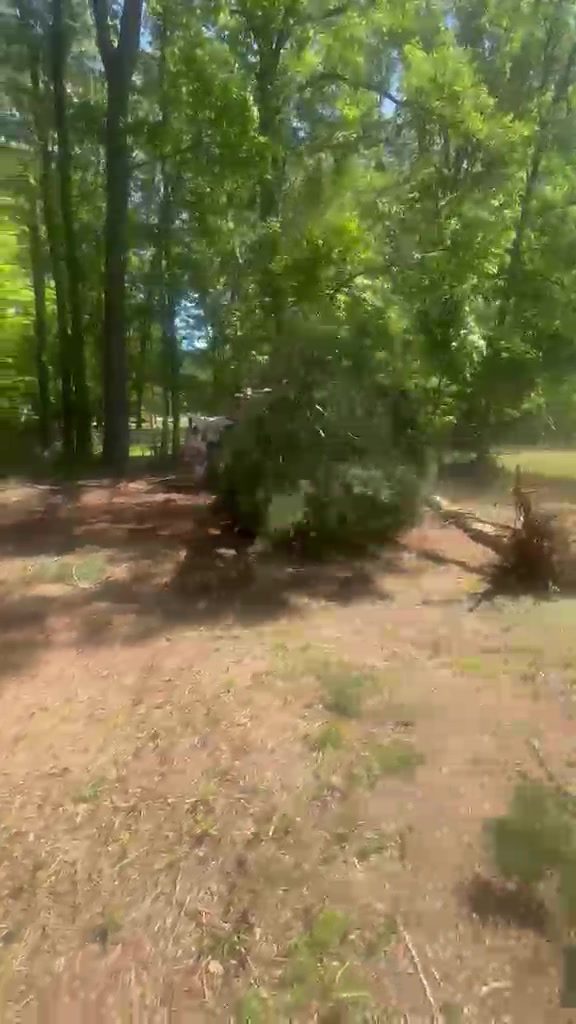
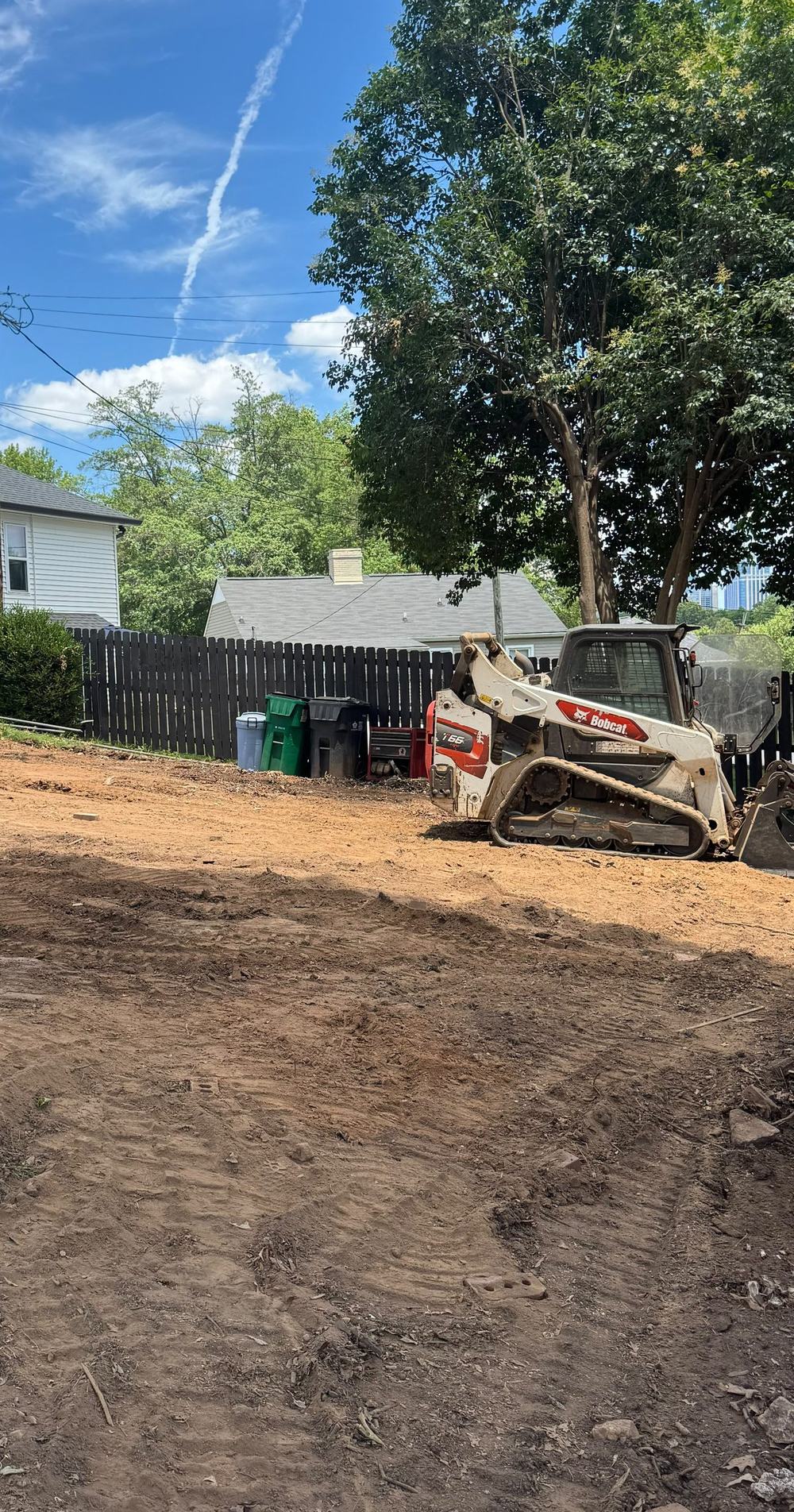
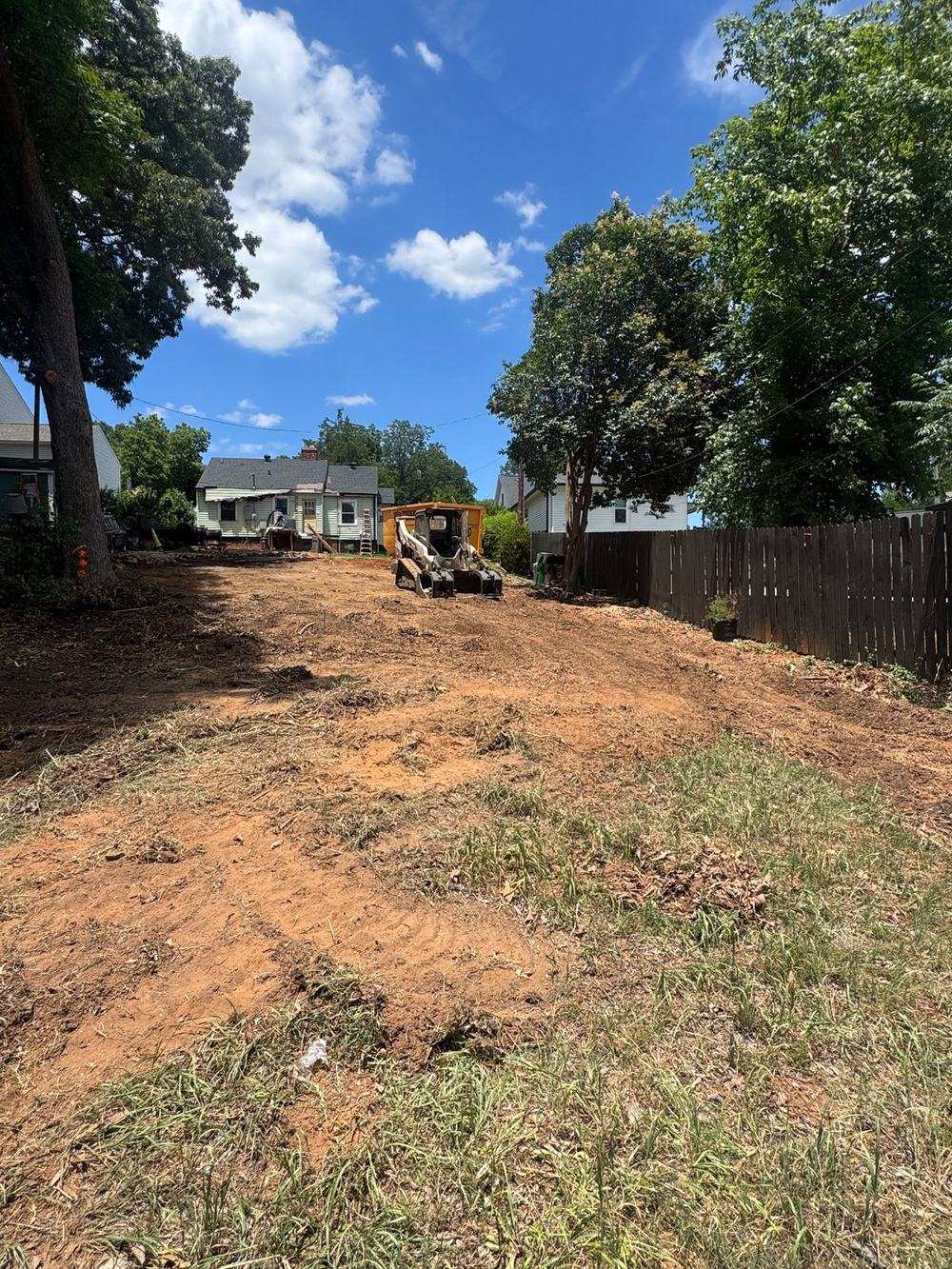
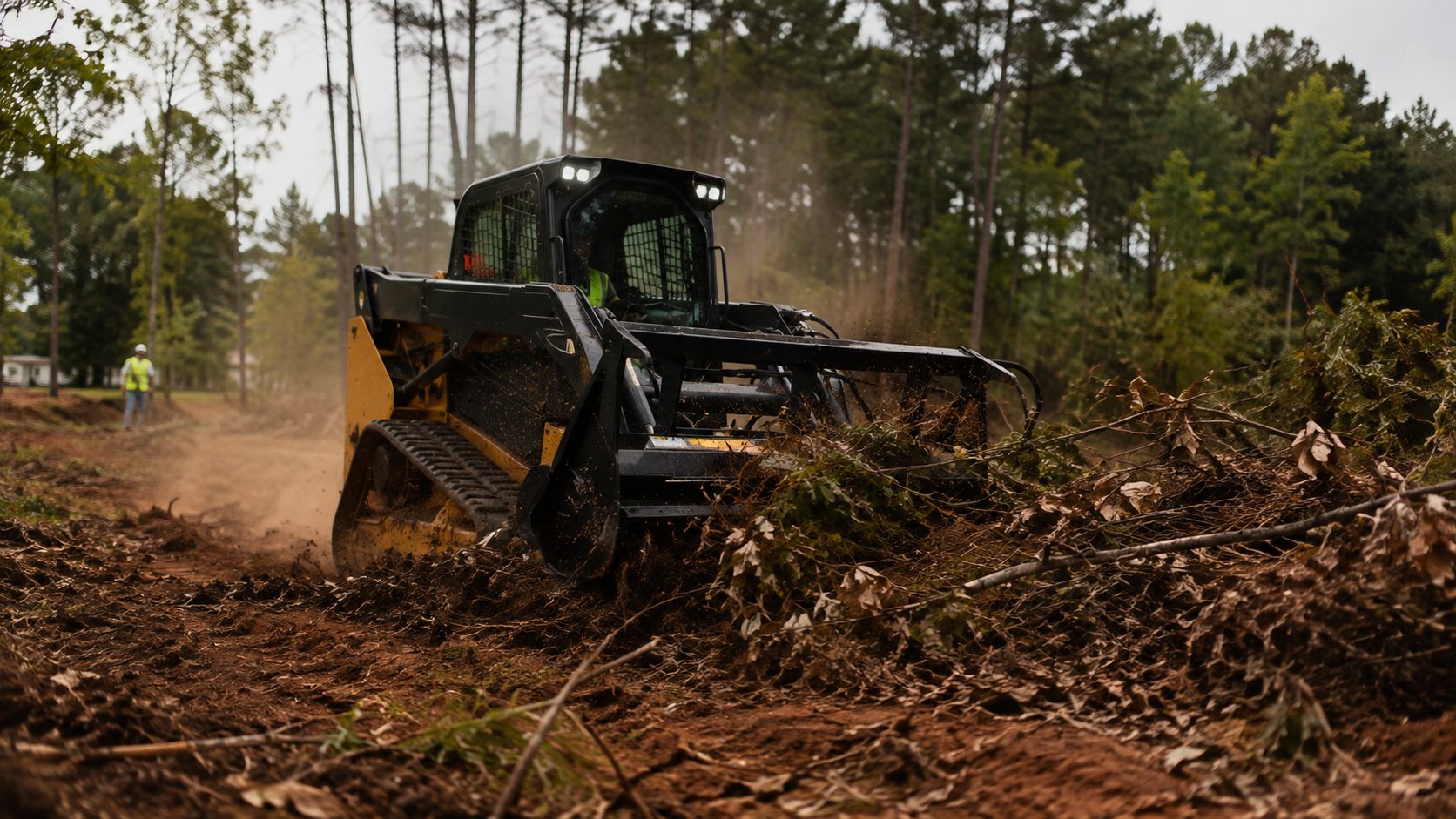
Land clearing for Lake Norman lots and Iredell County acreage — shoreline setbacks, septic fields and well heads worked around, debris hauled inside the county. Flat written quotes, permits handled where required.
Mooresville clearing is a different job from Charlotte clearing. The lots are bigger, the grade rolls, the pines and scrub come back fast, and a good share of the parcels touch Lake Norman or sit one street back from it. Down the Brawley School Road peninsula, around The Point, and out toward Troutman, we clear lakefront lots, teardown sites and raw Iredell County acreage to build-ready ground — with the shoreline, the septic field and the well head accounted for before the first tree comes down.
All-in local ranges — quoted flat after a site walk. See our demolition & site-work cost guide for the full breakdown.
All-in, flat-rate — quoted precisely after a site walk. Never hourly.
Start with the water. A lot on the lake, or one that drains straight to it, carries a shoreline buffer and a set of rules about what can be disturbed near the water that a Charlotte lot never sees. Duke Energy manages the Lake Norman shoreline, and the Town of Mooresville and Iredell County have their own watershed rules for the land above it. Clearing the view is not the same as clearing to the water, and we don't cut inside the buffer without confirming what's allowed.
Then the grade. Mooresville lots roll toward the lake, which means every clearing job is also a drainage job. Cut the vegetation off a slope and leave the clay open through a spring rain and the lot washes onto your neighbor's dock. We rough-grade as we clear, keep the silt fence up until the ground is stabilized, and think about where the water goes before we think about where the trees go.
Then what's under the ground. Most Mooresville lots outside the newest subdivisions are on septic and a lot of them are on wells. A septic drain field cannot take a track machine over it, and a well head cannot take a stump being pulled next to it. We locate both on the site walk and the clearing plan works around them. Pine and sweetgum stumps here also come out with long root plates that pull more ground than an oak, so backfill and compaction on a Mooresville pad is more work than it looks.
Where the lot sits changes the job too. Down the Brawley School Road peninsula the parcels are older, the trees are bigger and the shoreline is everywhere, so nearly every job touches the buffer question. Toward Troutman and the north end of Iredell County the lots turn into acreage — pine plantation and scrub that mulches beautifully and rarely needs a truck. The Mooresville lots one street back from the water, in the subdivisions off Williamson and River Highway, are the ones most like a Charlotte job: a defined footprint between two homes, cleared selectively.

The equipment is the same across every job we run: a track loader that fits through any 8 ft gate, a dump truck, and excavators from mini up to the large machine, sized to the job. Mooresville lots usually give us the room to bring the right size. What they don't give us is distance from the house next door.
A recent Mooresville job says it plainly. We demolished a 3,200 sq ft house on the lake, on a lot with houses on either side close enough that the swing of the excavator had to be planned before every pass. That machine weighs 50,000 lb; you don't improvise with it between two occupied homes. We walked the perimeter with the owner, marked the swing radius, and ran the teardown in a sequence that kept the arm away from the neighbors and the debris off their side of the line. The lot went from house to cleared, graded ground with both neighbors' fences and landscaping untouched.
Clearing a lot between two finished homes is the same discipline: what falls where, what the tracks cross, and where the trucks turn around. On lakefront lots the answer to the last one is often the street, because the driveway ends at the water.
Mooresville lots can answer to three authorities. The Town of Mooresville handles zoning and tree rules inside the town limits; Iredell County handles land disturbance and erosion control, and the county's own watershed overlay applies to much of the land draining to the lake; and anything at or below the shoreline falls under Duke Energy's shoreline management program. Which of the three apply depends on where the lot sits and how much ground you're disturbing. We tell you on the site walk, and we don't state thresholds we haven't confirmed for your parcel.
Where a permit is required, we pull it. The fee is a straight pass-through — you pay the town or county's charge and nothing more.
Cleared material is hauled the day it's cut to disposal inside Iredell County — the county landfill outside Statesville for stumps and construction debris, and county yard-waste handling for brush and logs that can be ground. On larger tracts we can mulch on site instead of hauling, which removes the trucking entirely and leaves a ground cover that holds the slope through the first rains.

We walk the parcel within a few days, locate the septic field and well, mark the shoreline buffer and the property lines, and confirm the full scope.
A single written figure by the next business day, with the permit path spelled out — town, county or shoreline — and pulled at cost if one is needed.

Our equipment, our operators, nobody subbed in. Clearing, grubbing, rough grade with the drainage handled, and haul-off inside Iredell County.

Lot rough-graded, silt fence in until it's stabilized, clean and documented for your builder or dock contractor.
Once the lot is open we grade it, cut the drive, dig the footings and trench the utilities — with the same shoreline and septic plan we made on the first walk. One crew, one set of rules, all the way to your builder's first day.
Send the address and what you're dealing with. We'll walk it within a few days and hand you a flat, all-in number.
📞(980) 351-5115Tap to call · A real owner picks up · Site walk within a few days